

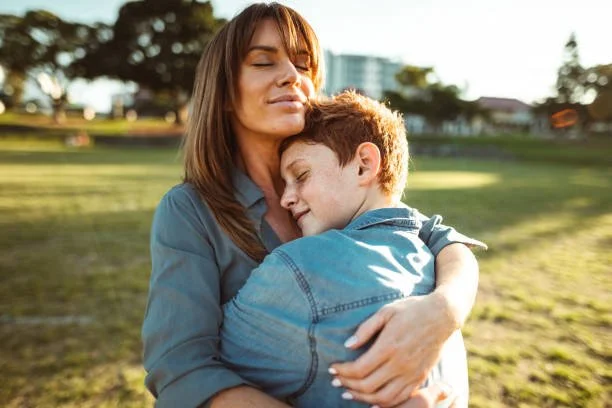
Healing our Inner Teenager
(Focus on age 13 through 20)
8 - Week Support Group
See Below for Details!
Group will be starting at the end of April 2026. Date to be determined. Please enqire if interested!
-

Week 1 - Orientation
This group is a continuation of the work we began together in the eight-week Childhood Trauma group focused on healing our inner child. In this next phase, we’ll gently shift our focus toward healing our inner teenager—exploring the experiences, emotions, and beliefs that often formed during adolescence and how they continue to shape us today.
We’ll begin by reviewing the format and guidelines that help keep this a safe and supportive space for everyone. After that, participants will have a chance to briefly introduce themselves and share where they are today, whatever feels comfortable.
We’ll also spend some time with a short meditation and reading, followed by reflections on any awareness or insights that may have come up since completing the first group. As we move forward, we’ll share and reflect on the transformations that have occurred over time, honoring both the challenges and the growth that are part of the healing process.
-

Week 2 - Sharing our Inner-Teenage stories #1
Sharing the story of our teenage years is a vital yet frequently overlooked part of personal reflection and healing. The experiences we carry from adolescence are no less significant than the traumas of childhood; they shape our identity, influence our relationships, and inform the beliefs we hold about ourselves and the world.
Giving voice to what unfolded during those formative years is a continuation of the deeper work of self-expression. It allows us to acknowledge what we have long carried—often silently—and to release it with intention. In doing so, we create space not only for understanding, but for genuine healing and renewal.
-

Week 3 - Sharing our Inner-Teenage stories #2
This week will continue the work of Week 2. Half of the participants will share their teenage stories, while the other half will engage in active, attentive listening. Both roles—sharing and listening—are equally essential to the healing process.
Many of us grew up in environments where we were not fully seen, acknowledged, or heard. Within this space, we intentionally create a different experience. To be witnessed with presence and compassion—and to offer that same presence to another—is profoundly restorative. It is through this mutual exchange of voice and validation that deep healing begins to take place.
-

Week 4 - Writing our letter to our Teenage Self
Writing letters to our inner selves is a powerful and essential part of the healing journey. In the first 8-week group we began by writing to our inner child; today, we extend that same compassion and intention to our inner teenager. This progression matters. Adolescence was a formative and often painful period, and many of the behaviors we carried then were not character flaws, but adaptive responses to inadequate or unhealthy parenting.
This assignment invites us to revisit that season of our lives with understanding rather than judgment. By acknowledging what we endured and offering ourselves the support we may not have received, we continue the process of reparenting. Through intentional letter writing and consistent, compassionate self-talk, we replace criticism with care and shame with validation. In doing so, we actively participate in our own healing and create a new internal narrative rooted in empathy, responsibility, and self-worth.
-

Week 5 - Projection
Projection is a form of defense in which unwanted feelings are displaced onto another person, where they then appear as a threat from the external world. A common form of projection occurs when a person, threatened by his own angry feelings accuses another of harboring hostile thoughts. Another example may be if you have a strong dislike for someone, you might instead believe that they do not like you. Projection occurs to avoid our own feelings.
When we become aware of projection, it can become a powerful tool for self-understanding. Instead of focusing only on the other person’s behavior, we can ask what the reaction might be revealing about our own unmet needs, fears, or past experiences. By approaching these moments with curiosity rather than judgment, emotional projection can become an opportunity for deeper self-awareness, healing and personal growth.
-

Week 6 - TRIGGERS & How to heal from them
Knowing your emotional triggers—and learning how to respond to them—is a vital part of emotional well-being. In our 8-week group focused on healing the inner child, we began developing greater clarity and awareness around this process. Participants explored how past experiences, especially from childhood, can shape the way we react in the present moment.
This week, we will take the next step: learning how to work with our triggers intentionally and use them as opportunities for healing. With awareness, we gain the ability to pause when a trigger arises rather than reacting automatically. In that pause, we can choose new, healthier responses.
Over time, these new responses begin to transform the pain carried from the past. Instead of repeating old patterns, we gradually move toward a deeper connection with our authentic selves. Each trigger becomes an invitation to practice awareness, compassion, and conscious choice.
With continued practice, the emotional charge of old wounds begins to soften. As this happens, we find ourselves becoming triggered less often and with less intensity. In the space that once held pain, there is greater room for peace, presence, and joy—allowing us to experience life more fully.
-

Week 7 - Repression and the consequences
Emotional repression is all about avoiding emotional suffering. It is a coping style used to hide and push away negative emotions. Emotional repression can be thought of as a defense mechanism, where people defend themselves from the negatives and focus instead on the positive aspects of who they are. The problem with this defense mechanism is;
Repressed Emotions “NEED” to be dealt with, or eventually it will deal with us. Understanding how repression affects us, will help us better learn not to repress moving forward.
They remain stored in the body and mind. Over time, repressed emotions can surface in indirect ways, such as emotional triggers, anxiety, irritability, relationship difficulties, or even physical symptoms. Learning to gently acknowledge and process these buried feelings can help release their hold, leading to greater emotional clarity, resilience, and overall well-being.
-
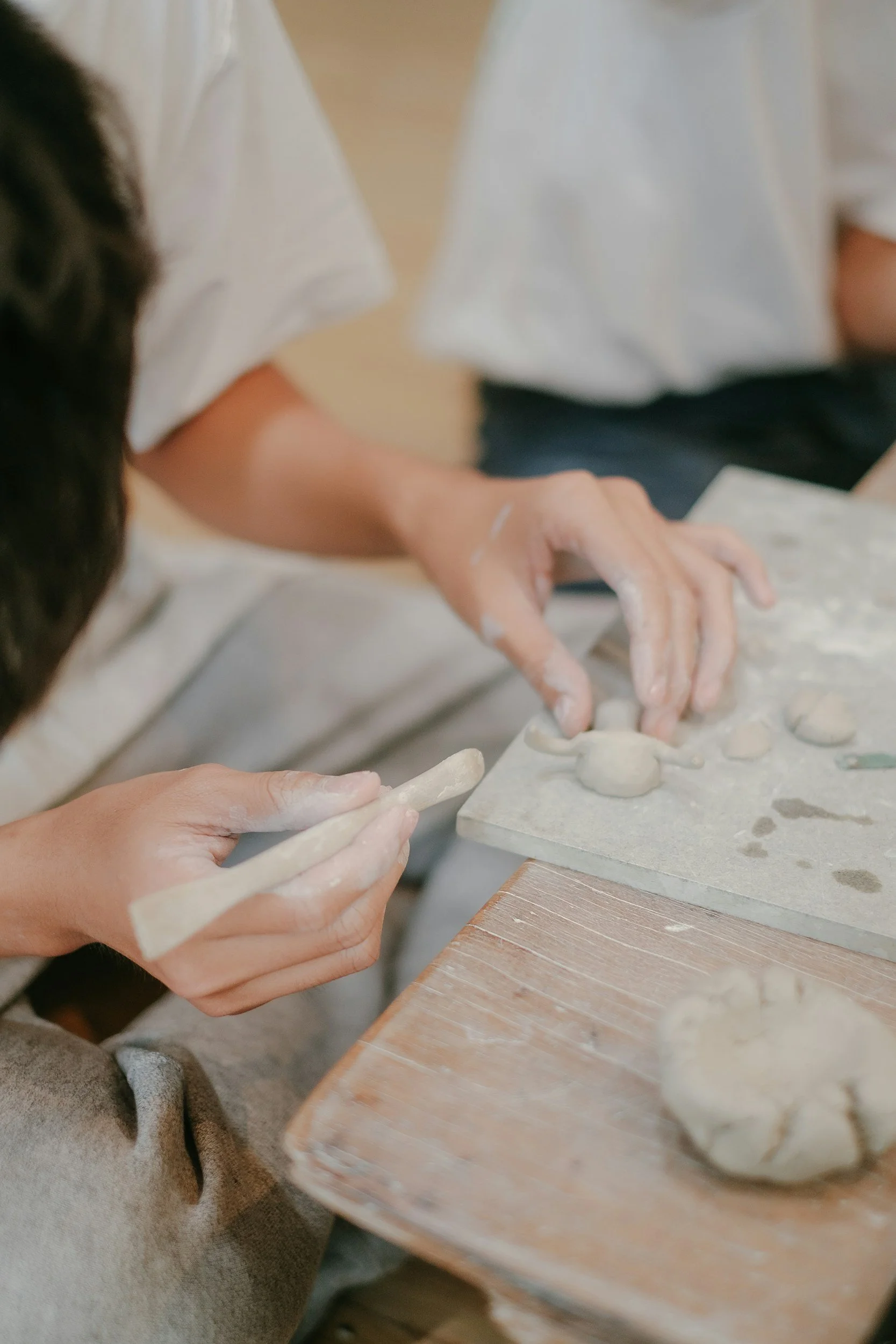
Week - 8 - Expressing & Healing with CLAY
Working with clay offers powerful healing benefits because it engages both the body and the mind in a deeply grounding, creative process. The tactile experience of touching, shaping, and molding clay helps calm the nervous system and brings attention into the present moment, much like a form of moving meditation. It also provides a safe, nonverbal way to express emotions that may be difficult to put into words. As the hands work with the material, feelings such as stress, grief, or anger can be gently released and transformed into something tangible. This creative process can foster self-awareness, emotional regulation, and a sense of empowerment, allowing individuals to reconnect with their inner creativity and experience a deeper sense of calm and well-being.
Simple sensory actions—rolling, smoothing, pressing—help regulate the nervous system. Adding color as a way to represent expression and or emotions can symbolize and affirm healing as well.